Services
When Seconds Count — We answer the call.
— Emergency Services —
Quick Access
When to Call 911
When you need immediate help from police, fire, or EMS, like a crime in progress, a fire, trouble breathing, chest pain, serious injury, or any time someone's life or safety is in danger.
Call Takers
Your first lifeline, they answer your call, quickly gathering details, keeping you and the scene safe, giving emergency medical guidance, and ensuring dispatchers send the right police, fire, or EMS responders.
Emergency Dispatch
A dispatcher coordinates the response behind the scenes, using radio, mapping, and real-time information to direct the right police, fire, EMS, or other units to the call and support them throughout the incident.
Text to 911
Text to 911 is for when you need emergency help but can't safely call, like during a crime in progress, if you're deaf or hard of hearing, or when speaking isn't possible. Remember: call if you can, text if you can't.
Emergency Services
When Should I Call 911?
Call 9-1-1 any time you think you have an emergency involving an immediate threat to life or property or a crime in progress; if you are unsure whether it is an emergency, you should still call and the call-taker will help determine the appropriate level of response, including using a 10-digit emergency number if you are out of the county.
911 Call Takers
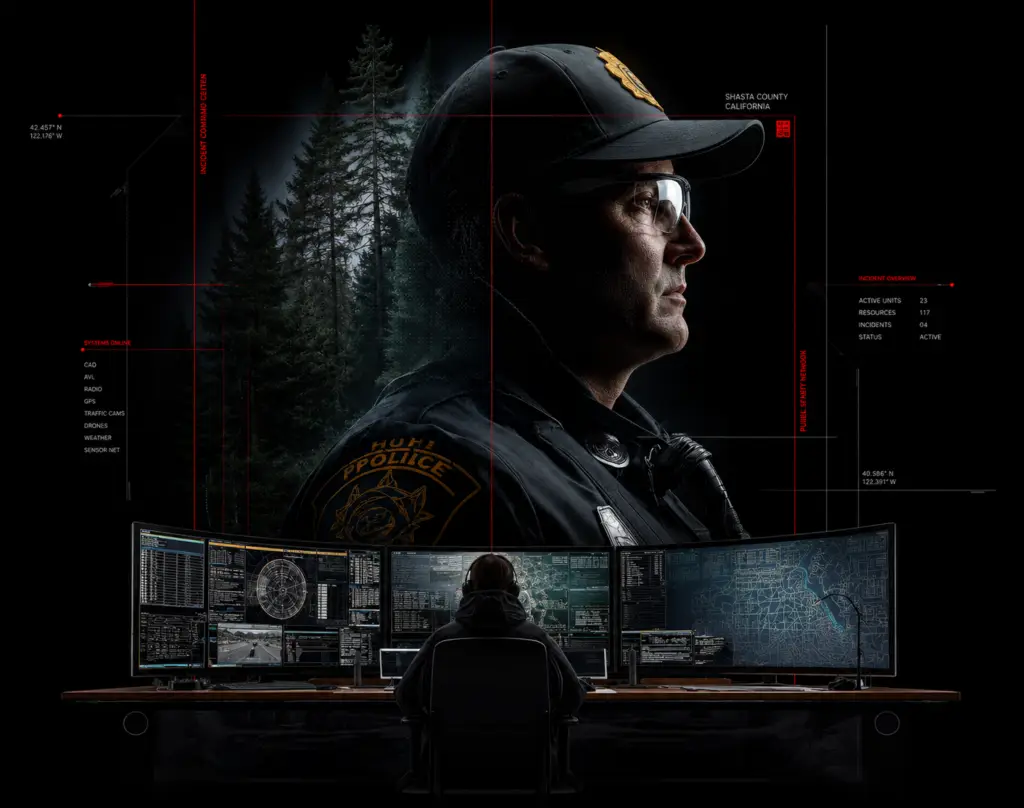
911 CALL TAKERS are the first point of contact when someone dials for help, calmly answering the phone, asking structured questions, and quickly determining what is happening, where, and what kind of response is needed. As they gather details, they document everything in the Computer-Aided Dispatch (CAD) system and may give lifesaving instructions—such as CPR guidance or safety directions—so help effectively begins before responders arrive.

911 Emergency Dispatchers
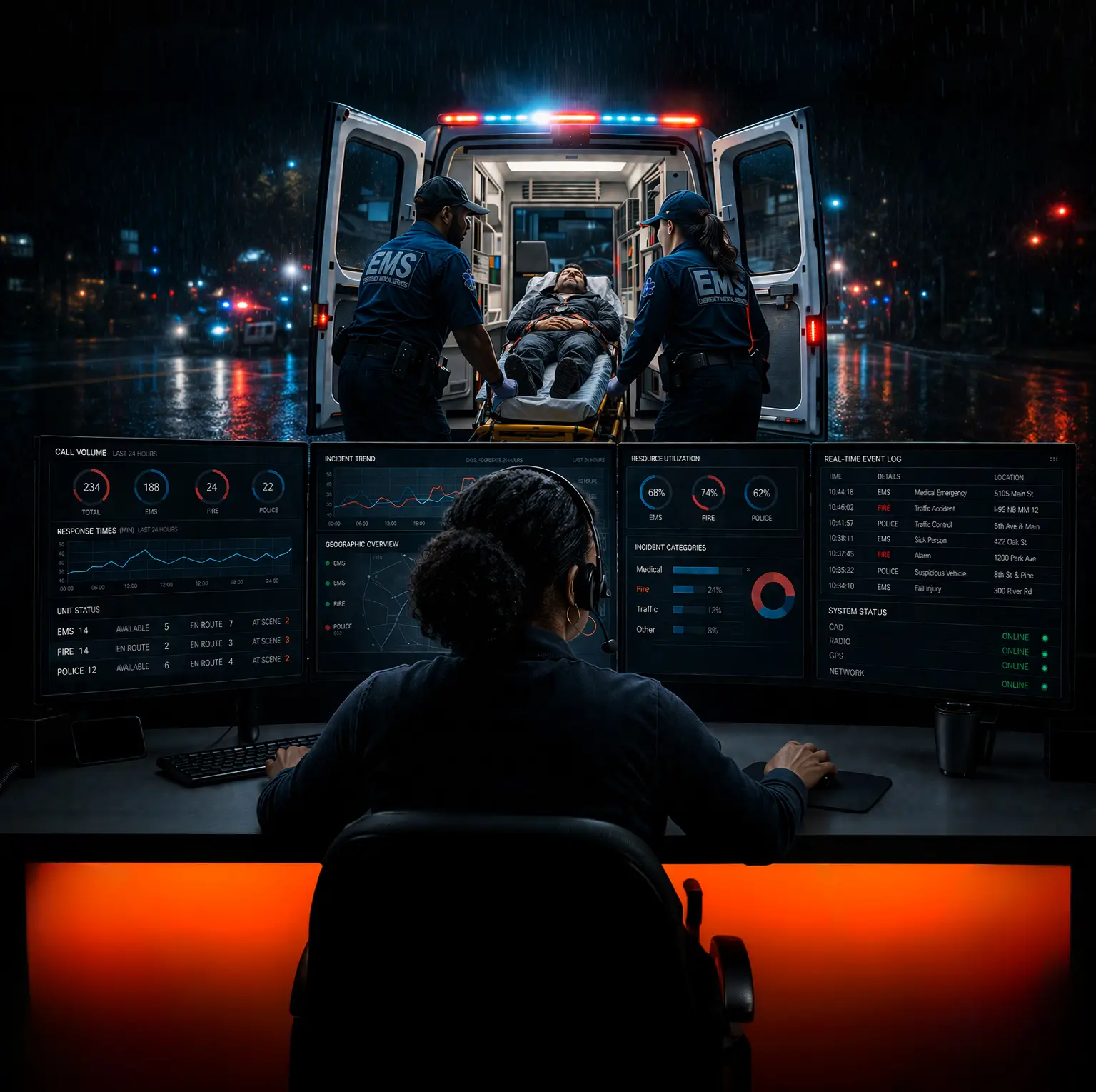
911 EMERGENCY DISPATCHERS watch the incident unfold on their screens in real time, using CAD and radio to assign the right police, fire, or EMS units, track their status, and coordinate additional resources as situations change. Working side by side with call takers, they rely on accurate, timely information from the call and then become the ongoing lifeline for responders in the field, relaying critical updates and ensuring a safe, well-orchestrated response to every call.
SNO911 Communications Center
Ever wondered what really happens after you dial 911? In this short video, you'll step inside the dispatch center to see how call takers triage emergencies, coordinate police, fire, and EMS, and keep calm voices on the line when every second counts.
— Non-Emergency —
Non-Emergency
Non-Emergency Line: 425-407-3999
When to use non-emergency
Call the non-emergency line when you need police, fire, or EMS assistance but there is no immediate danger to life or property and the situation is not happening right now.
Examples: include reporting a car break-in discovered after the fact, a stolen bicycle, ongoing noise or parking complaints, minor property damage crashes, or providing additional information about a previous incident or report.
Answering Smarter, Responding Faster
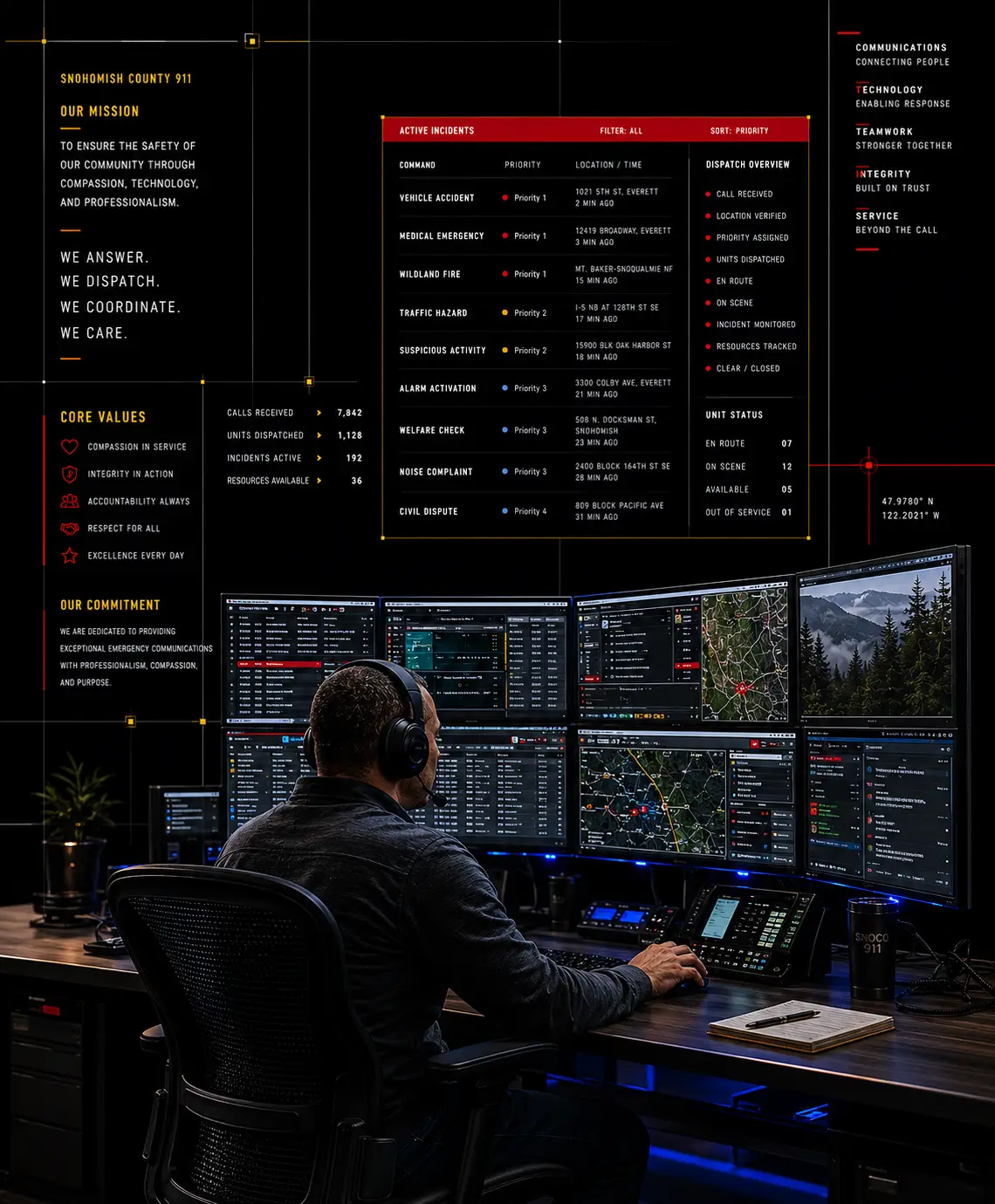
Snohomish County 911 is harnessing AI to manage rapidly growing non-emergency call volumes, cut hold times, and keep human call takers focused on true life-threatening emergencies. Through an intelligent virtual attendant that can triage calls, support multiple languages, and capture complete details for follow-up, we're strengthening and ensuring access to help for the entire community when they need it.
Work with us
View Request for Proposals
This page provides a centralized location for information about open bidding opportunities at Snohomish County 911. Here, you'll find current bidding opportunities, along with the information you need to submit a proposal or respond to an open request. Interested vendors and contractors are welcome to review active solicitations, access relevant documentation, and submit proposals for consideration.
Current RFPs/Bids
2026-02 - REQUEST FOR PROPOSAL: Generator Replacement Services
BIDS are due April 15th, 2026 by 4:00pm
You can send an email to bids@sno911.org with your bid or any questions to cjerde@sno911.org
You can also view this Request on MRSC.
Snohomish County 911 (SNO911) Public Records Portal
Alicia Berget, Certified Public Records Officer
Email: records@sno911.org
Phone: 425-407-3935
Fax: 425-407-3969
Got Questions?
From emergency call-taking and 911 dispatch to specialized programs like Nurse Navigation, Smart 911, TTY, and Text to 911, Snohomish County 911 connects you to the right help at the right time.
Explore our FAQs to see how each service works and how it supports you and your family.
— Specialized Programs —
Specialized Services
Text-to-911
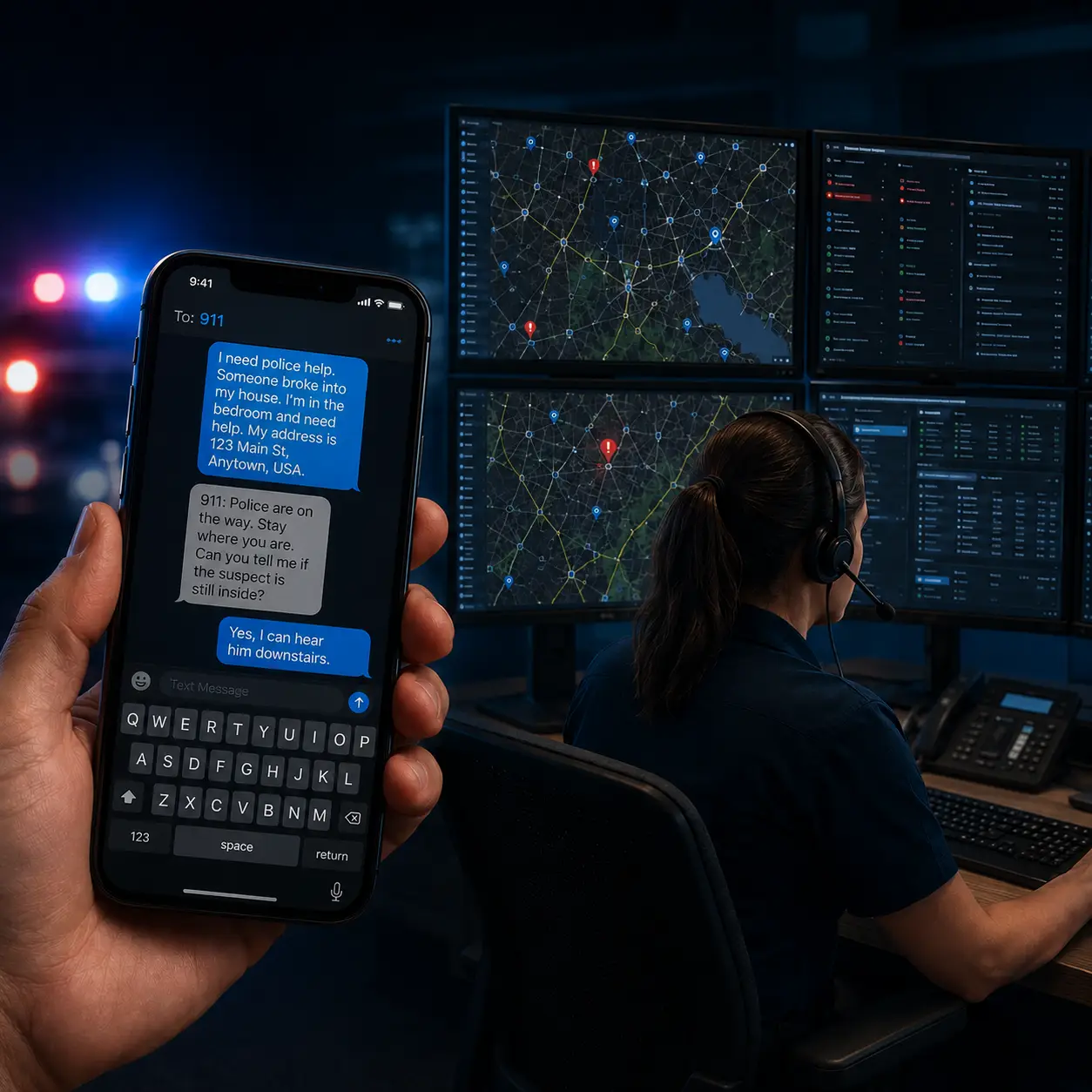
Text-to-911 is a service that lets you send a text message to reach 911 when you cannot safely make a voice call. The guiding rule is "call if you can, text if you can't," because voice calls are still faster and provide more information to dispatchers.
How it works
You open your phone's messaging app, type "911" in the "To" field and send a brief message with your exact location and what help you need (police, fire, or medical). Dispatchers can then text back with questions and instructions, but they cannot receive photos, videos, or emojis, and texting may be slower than talking.
Who it is for
The service is designed for people who cannot speak or be heard safely, including those experiencing domestic violence, home invasions, or active threats, and community members who are deaf, hard of hearing, or have speech impairments. It is not meant as a convenience option; whenever it is safe to do so, a regular voice call should be used instead.
Emergency Preparedness
Smart911
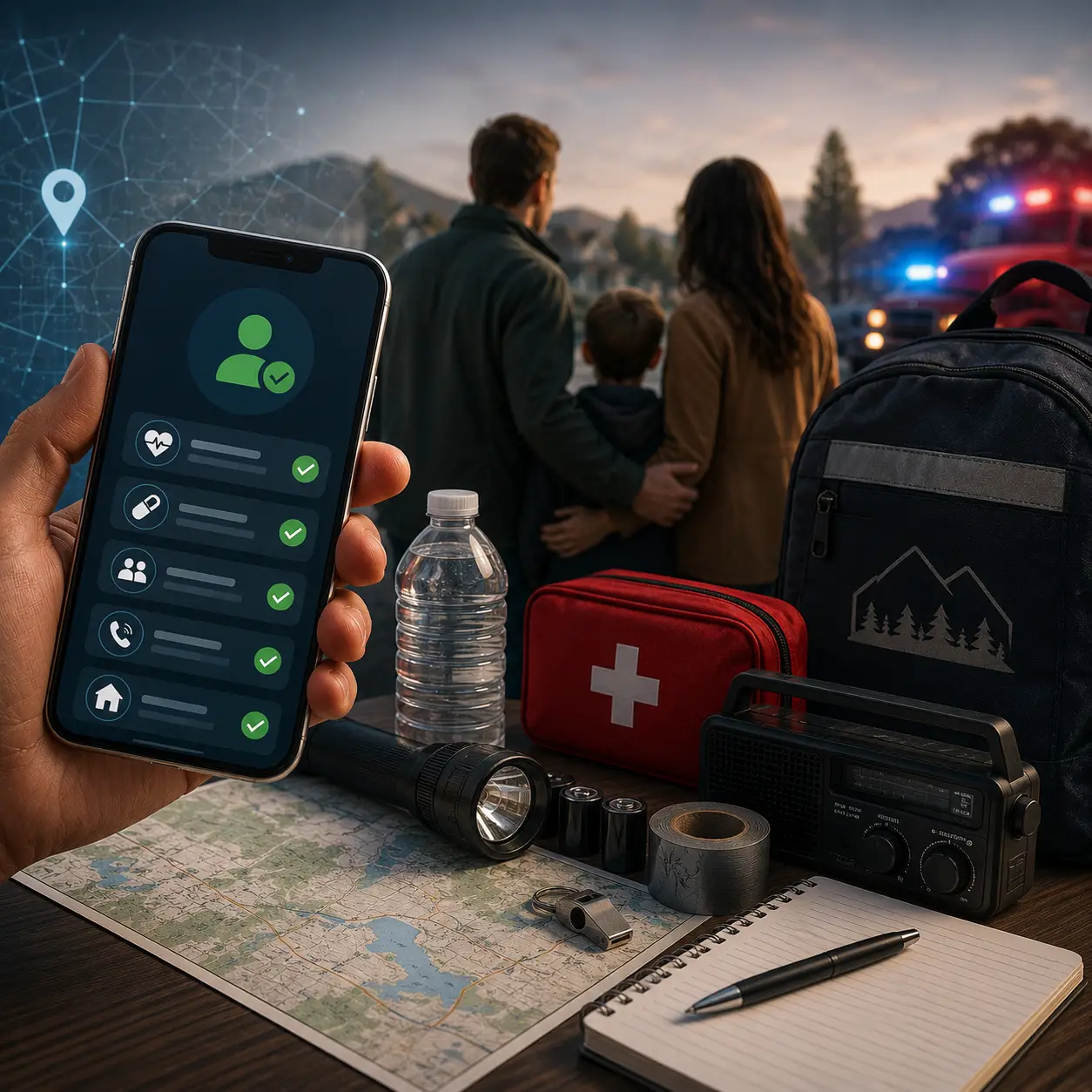
Being prepared for an emergency is the best way to keep you and your family safe. SNO911 provides resources to make sure you can quickly connect with help when you need it. Set up a SMART911 profile, sign up for Snohomish County Alerts and view resources for making a family emergency plan.
Smart911 is a safety platform that allows individuals to create a safety profile for their household, providing emergency responders with critical information in the event of an emergency call. This information includes details such as medical conditions, allergies, emergency contacts, as well as the location of the call.
By having access to this information, emergency responders are able to respond more effectively and efficiently, leading to faster and more accurate emergency response times.
Accessibility
Language Access & TTY
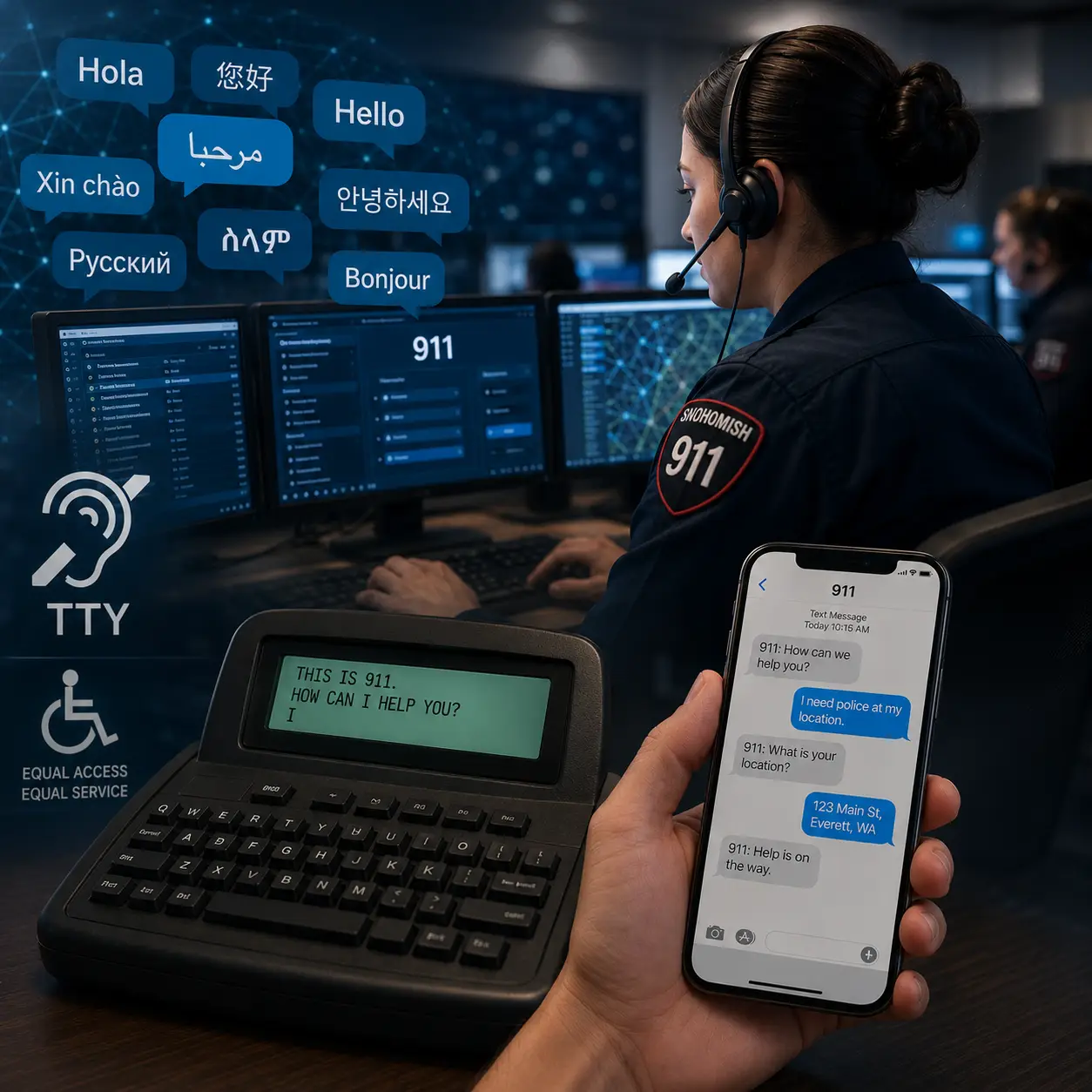
Snohomish County 911 provides language access services to ensure all community members can communicate effectively during emergencies, regardless of the language they speak. Our system connects callers with professional interpreters who can assist in over 200 languages.
For individuals who are deaf, hard of hearing, or have speech disabilities, we offer TTY/TDD (Text Telephone/Telecommunications Device for the Deaf) services. These services ensure that everyone has equal access to emergency assistance when they need it most.
If you have questions about accessibility services or need assistance, please contact our ADA Coordinator at ada@sno911.org or 425-407-3920.
Community Outreach
Nurse Navigation
Connecting Non-Emergency Callers with Clinical Support
When calling 911, a trip to a hospital emergency department may not be the best solution based on your medical needs. Snohomish County's innovative Nurse Navigation Program ensures patients quickly reach the most appropriate level of care.
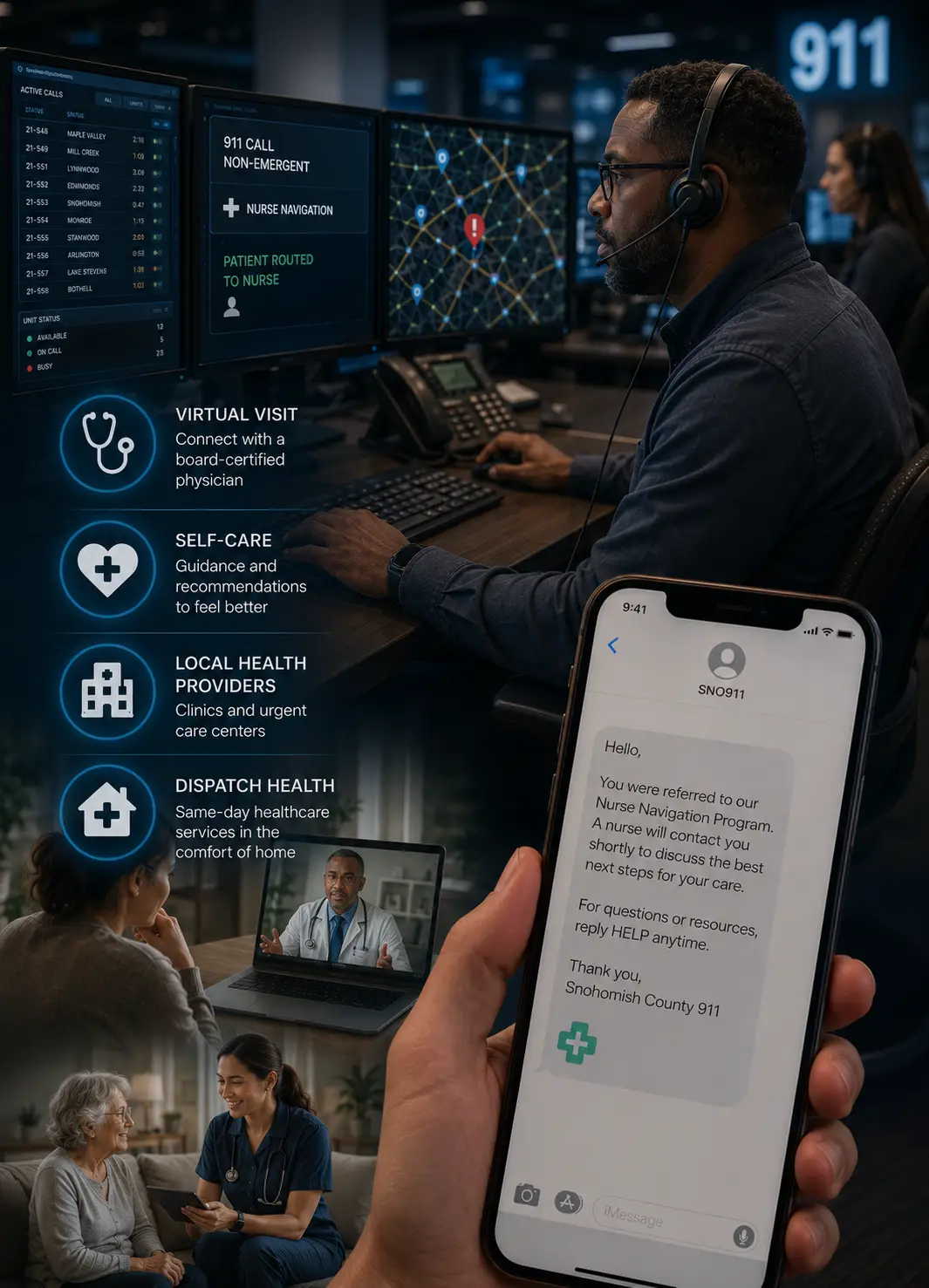
Patients with non-emergent injuries or illnesses may be routed to a licensed nurse who will assess a caller's symptoms and refer them to the appropriate medical care.
That could include a virtual visit with a board-certified emergency physician, self-care, referral to a local health provider including clinics and urgent care centers, or connecting with Dispatch Health, which can bring same-day healthcare services to someone's home.
If you were referred to the Nurse Navigation Program during a 911 call, you may receive a one-time text message from SNO911 with information about next steps and available resources.
Resources / Transparency
Transparency & Public Records
Trusted access to governance, financial, and public records information so you can clearly see how SNO911 operates and delivers public safety services.
Board Packets & Agendas
Meeting materials that show what the SNO911 Board is discussing and deciding—review recent agendas and packets.
Annual Reports & Financial Statements
Yearly summaries of how SNO911 operates, performs, and stewards public funds—read our latest reports and budgets.
Policies & Documents
Foundational agreements, bylaws, and governance documents that explain how SNO911 is structured and operates—view key policies and corporate records.
FAQs
Common questions and answers about public records, meetings, and accessing SNO911 information, get quick help before you file a request.
Department Resources
ERCES: In-Building Coverage Systems
It is not always practical for a public safety radio system to have 100 percent coverage. This is especially true inside buildings where different construction materials can attenuate radio signals. It would be cost prohibitive as well as almost impossible for FCC licensing for a system to cover all buildings. There is a statewide portable coverage requirement stated in the Washington Administrative Code and there are also local fire codes and requirements that must be followed. In order to reach this requirement, the most common solution is In-Building Emergency Responder Communication Enhancement Systems (ERCES). In-Building ERCES includes Bi-Directional Amplifier (BDA), distributed antenna system (DAS) and all other signal boosting elements that allow in-building two-way radio communication on the SNO911 radio system.
An in-building ERCES takes a usable radio signal from an outside radio tower via antennas installed inside the building and distribute that signal throughout the building. It is also able to take the transmit signal from a portable radio and amplify that signal to send to a radio tower site.
SNO911 Scope
SNO911 is responsible for verifying that an installed ERCES using the Snohomish County 911 radio frequencies does not interfere or cause harm with the SNO911 public safety radio system. SNO911 is not responsible for verifying that the radio system complies with all the requirements of the WAC or the Authority Having Jurisdiction (AHJ).
Property Owner Resources
Vendor Resources
Authorization Procedure
For any questions or support please contact: ERCES@SNO911.ORG